The number of Malawians facing hunger during the 2026/27 lean season has fallen 35 percent year on year, though 2.6 million people, roughly 14 percent of the projected population, will still struggle to meet their annual food requirements, according to the Ministry of Finance, Economic Planning and Decentralization.
The Malawi Vulnerability Assessment Committee’s latest assessment, conducted between May and June, puts 2.6 million people at risk of food insecurity between October 2026 and March 2027, down from 4,009,537 the previous lean season. Officials attribute the improvement largely to favourable climatic conditions, including normal to above average rainfall during the 2025/26 agricultural season. Rural areas have driven most of the recovery, with 2,531,266 people projected to face food insecurity, a 36 percent decline. Urban areas tell a different story: food insecurity in Blantyre, Zomba, Lilongwe and Mzuzu rose 27 percent to 81,405, a divergence officials will need to address as the country’s cities continue to expand even as the national outlook improves.
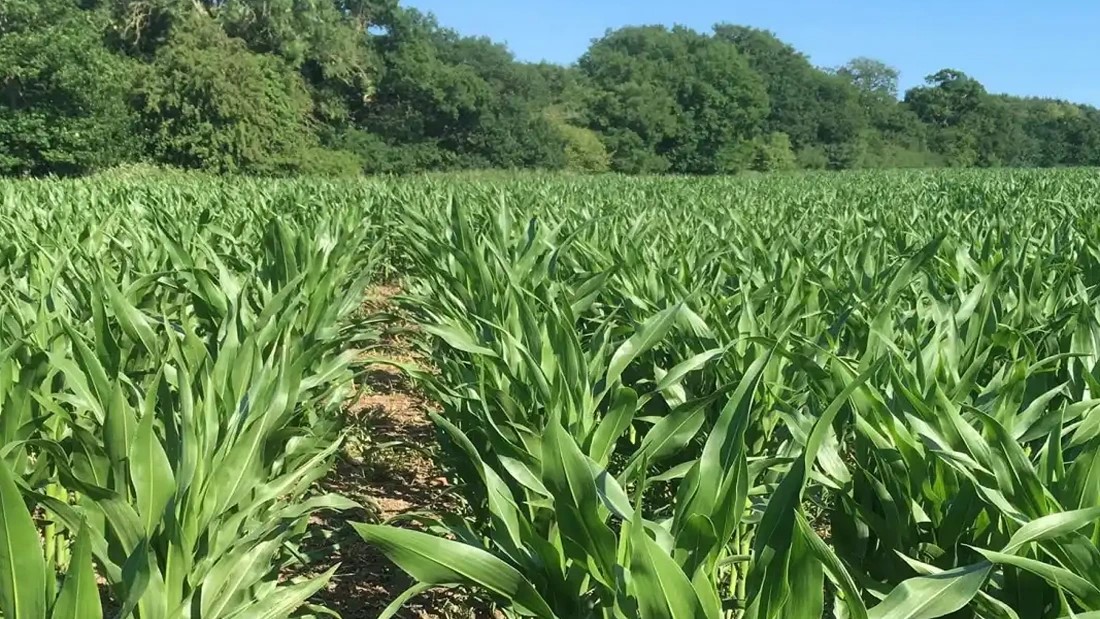
The improved rural picture tracks a stronger harvest. The country produced 3,300,618 tonnes of maize in 2025/26, up about 15 percent from 2,859,948 tonnes the previous year, Ministry of Agriculture estimates show. Last year’s crisis, the committee says, was driven by below average output and erratic rainfall. That stronger harvest has sharply cut the food aid required. Government estimates put the coming lean season’s needs at 97,887 tonnes, worth around MWK124.3 billion, down from roughly 200,000 tonnes valued at MWK387.2 billion the previous year, with the support period shortening to three or four months from three to six.
Officials caution the challenge remains significant despite the improvement, with millions still needing assistance before the next harvest. The government has begun supporting vulnerable households but is seeking additional funding from development partners and the local private sector. Finance Minister Joseph Mathyola Mwanamvekha thanked stakeholders for their support, saying continued collaboration would be critical through the lean season. The data point to a marked recovery from last year’s crisis, tempered by a food security challenge that, at 2.6 million people, remains substantial.