A transformative wave of economic empowerment is taking root across rural Malawi, backed by a massive USD 24 million (approximately K42 billion) financial injection. Designed to break the cycle of limited capital and high borrowing costs, the Blended Rural Finance Facility (BRFF) offers low-interest loans tailored to local agricultural producers, small enterprises, and rural innovators. Spearheaded by the Malawi Agricultural and Industrial Investment Corporation (MAIIC), this ambitious initiative targets grassroots growth, with a dedicated push to empower women- and youth-led businesses nationwide.
Rather than serving as a direct lender to individuals, MAIIC acts as a wholesale financing engine, funnelling capital through established financial intermediaries. Commercial banks, development finance organizations, microfinance institutions, and savings and credit cooperatives (SACCOs) are receiving these funds to evaluate and disburse low-cost loans to deserving rural enterprises.
“Instead of direct retail, we are providing wholesale financing to eligible participating financial institutions, which then assess and lend directly to qualifying rural businesses. “Taz Chaponda, Managing Director, MAIIC
By the end of September 2026, the facility had achieved significant progress. MAIIC approved or committed K27.34 billion representing 65 percent of the total fund to 26 participating financial institutions. However, turning commitments into on-the-ground reality remains an ongoing effort; actual disbursements stood at K5 billion across 13 institutions. Despite the ramp-up phase, early indicators show momentum partner financial institutions have reached roughly 2,714 beneficiaries, deploying approximately K2 billion directly into community-level projects.
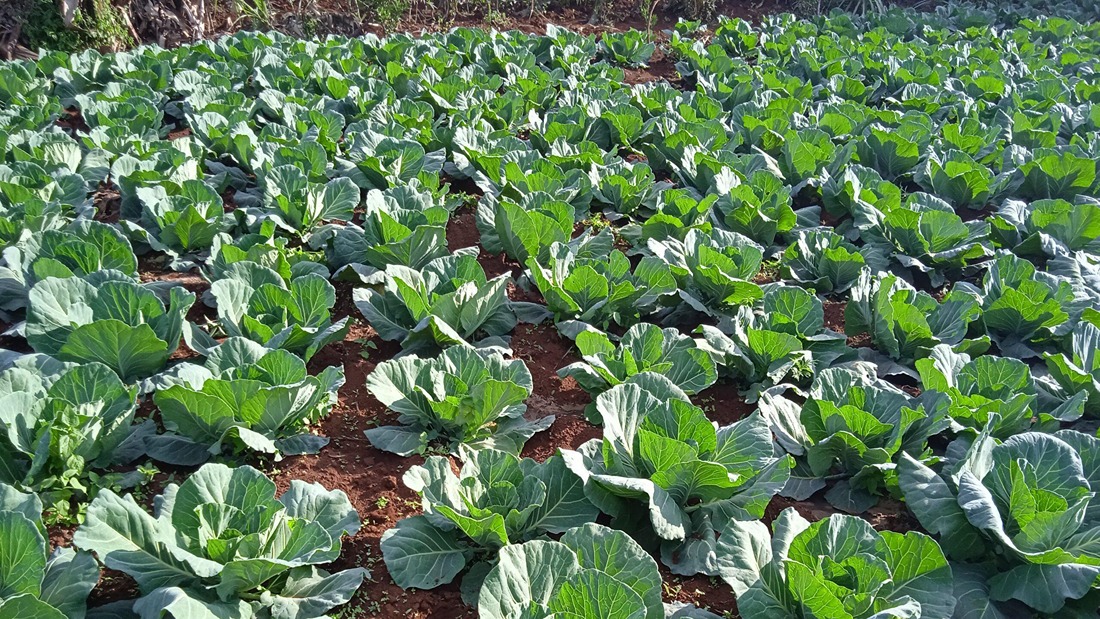
The strategic timing and lower cost of these loans offer crucial relief to agricultural communities long hampered by exorbitant interest rates. By lowering the cost of capital, the facility aims to stimulate crop and livestock production, bolster food security, and build sustainable livelihoods.
“Farmers should have access to loans at low interest rates so that they can increase production, improve their incomes, and help Malawi become self-reliant in food production.” Gresham Kamnyamata, Agricultural Economist
As implementation continues, experts emphasize that the long-term success of the BRFF will rely on maintaining smooth distribution channels and ensuring these affordable funds reach those who need them most. By embedding capital into agricultural value chains and rural entrepreneurship, Malawi is planting the seeds for long-term economic resilience and self-reliance from the ground up.