In a surprising turn of events that has sent ripples of optimism through the agricultural sector, Malawi has been catapulted into the global elite of food self-sufficient nations, securing a coveted spot among the top 50 worldwide. A groundbreaking study, freshly unveiled in the prestigious journal Nature Food in May 2025, paints a vivid picture of a nation quietly defying the grim spectres of food insecurity and import dependency.
The comprehensive study, which meticulously assessed 186 countries based on their innate ability to nourish their populations across seven pivotal food groups, has placed the Warm Heart of Africa shoulder-to-shoulder with only seven other African nations – a testament to their quiet revolution in meeting a substantial chunk of their dietary needs through the sweat and toil of local production.
Malawi’s triumph is particularly pronounced in its bountiful harvests of fruits, where it boasts an astounding 243% self-sufficiency, and in starchy staples, achieving a remarkable 221% – figures that comfortably eclipse recommended dietary levels. Yet, even in this narrative of triumph, a familiar Achilles’ heel emerges: dairy production remains stubbornly low, limping along at a mere 17% of national requirements.
A Testament to the Soil’s Enduring Strength
This inclusion on such an esteemed global roster is nothing short of a resounding affirmation of Malawi’s inherent agricultural resilience and its prodigious capacity for domestic food production, especially within its vibrant crop-based categories. It underscores, with undeniable clarity, the enduring strength and unwavering spirit of the smallholder farmers who, for generations, have formed the very bedrock of Malawi’s intricate food systems.
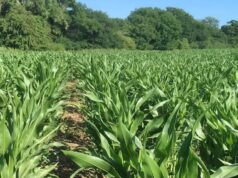
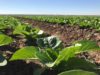
In an era increasingly defined by the gnawing anxieties of food insecurity, the relentless march of rising global prices, and the unsettling disruptions in capricious supply chains, Malawi’s elevated ranking shines as a beacon. It reflects the nation’s profound ability to feed its own people, to nurture them directly from its own rich, red soil, particularly with staples like the ubiquitous maize, the versatile cassava, the humble sweet potato, the cheerful banana, and a kaleidoscope of legumes such as beans and groundnuts.
Agricultural cognoscenti across Malawi have greeted this unexpected ranking with widespread acclaim, noting that it serves as a powerful shot in the arm for policymakers, urging them to channel more strategic and substantial investment into this vital sector.
“This unequivocally demonstrates that our small-scale farmers are not just doing something right, they are performing miracles,” enthused Dr. Thokozani Maluwa, a respected agricultural economist based in the bustling capital of Lilongwe. “What we desperately need now is a concerted, focused investment in value addition, in expanding our irrigation infrastructure, and in embracing cutting-edge post-harvest technologies to decisively bridge the existing gaps in critical areas like dairy and protein.”
The Bigger Picture: A Continent on the Cusp
Beyond Malawi’s singular success, the study illuminates a broader, more encouraging narrative unfolding across the African continent. Alongside Malawi, the prestigious top 50 list welcomed Mali, Niger, Cameroon, Senegal, South Sudan, Tunisia, and Morocco. Mali, in particular, stole the African crown, boasting an impressive 107% self-sufficiency in fruits and an even more staggering 236% in starchy staples. South Sudan, unexpectedly, delivered a show-stopping performance in dairy, achieving an astonishing 303% score.
These findings reflect a nuanced reality: while the majority of African nations continue to grapple with a persistent reliance on imports for meat and dairy, their prowess in crop production, particularly in the starches and legumes that form the very essence of many African diets, is undeniable and formidable.
However, the report, in its sober assessment, also carries a crucial caveat: food self-sufficiency, it warns, is not an automatic passport to comprehensive food security. Many African nations, despite their promising gains, continue to grapple with a formidable array of challenges, including:
- Climate shocks: The relentless assault of droughts, the devastating deluge of floods, and the unpredictable caprice of erratic rainfall.
- Inadequate storage infrastructure: A critical bottleneck that leads to significant post-harvest losses.
- Limited access to irrigation and mechanized farming: Hampering productivity and increasing vulnerability to climate variability.
- Weak value chains and market access: Preventing farmers from fully capitalising on their produce.
Malawi’s Moment: Hope and the Hard Road Ahead
Malawi’s impressive ascent in these global rankings presents a dual-edged sword of both immense hope and formidable challenge. On one hand, it unequivocally confirms the nation’s vast, largely untapped potential to not only feed itself but also to substantially reduce its burdensome food import bill. On the other, it starkly exposes the urgent imperative of diversifying its agricultural output, with a particular focus on protein-rich foods such as dairy, fish, and meat, which remain woefully underproduced.
If Malawi is to truly translate this promising potential into a holistic food and nutrition security for all its citizens, experts contend that the nation must embark on a strategic and sustained investment drive, focusing keenly on:
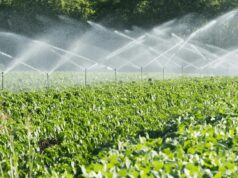
- Expanding irrigation schemes: A critical step to unshackle agriculture from its perilous reliance on erratic rain-fed systems.
- Scaling up livestock and dairy development: A long-overdue push to bolster protein availability and diversify agricultural income.
- Enhancing access to financing, inputs, and training: Empowering the backbone of Malawi’s food system – its smallholder farmers – with the tools and knowledge they need to thrive.
Malawi’s moment in the global spotlight is here. The challenge now lies in transforming this newfound recognition into a tangible and lasting legacy of food abundance for all.