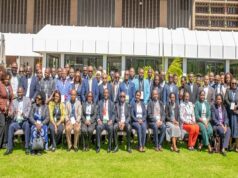
In a timely and crucial gathering, Malawi is currently hosting a national dialogue on the future of its food systems, an initiative poised to significantly impact the health of its environment, plants, animals, and people. This landmark event, underway in Lilongwe, underscores the nation’s commitment to building sustainable and resilient food systems.
Organised under the banner of the Food Systems Transformation in Southern Africa for One Health (FoSTA-Health) project, this regional research initiative is spearheading efforts to cultivate healthier food systems for both humanity and the planet. The project, a collaborative powerhouse, unites approximately 20 partners from Malawi, Zambia, Tanzania, South Africa, and the United Kingdom, all driven by a shared objective: to bolster food security and nutritional well-being through collaborative research and innovation.
This pivotal dialogue takes on added significance as it precedes the Second UN Food Systems Summit Stocktake (UNFSS+4), scheduled to convene in Addis Ababa, Ethiopia, from July 27 to 29, 2025. Co-hosted by Ethiopia and Italy, the global summit will serve as a vital platform for assessing progress, strengthening international cooperation, and unlocking essential finance to accelerate global food systems transformation. Malawi’s proactive discussions are deeply rooted in its national Food Systems Action Tracks, demonstrating a clear alignment with global aspirations.
The Lilongwe dialogue is meticulously designed to achieve several key outcomes. Participants are engaged in co-developing crucial policy implications, identifying critical knowledge gaps, and pinpointing opportunities for advancement. A core aim is to document actionable pathways that will enhance practice, inform policy development, guide funding allocation, and strengthen monitoring frameworks, all with the overarching goal of fostering sustainable agricultural practices and improved public health.
Guiding these conversations is a comprehensive One Health lens, which intricately links core themes vital to a holistic approach. Discussions encompass healthy environments, with a sharp focus on soil health, land use management, and water resource management. The dialogue also champions healthy plants through diversification efforts beyond traditional maize production, promoting crop diversity and climate resilience. Furthermore, the integration of healthy animals is being explored by advocating for the sustainable inclusion of livestock of all sizes, emphasizing livestock management and animal welfare. Finally, the imperative of healthy people is addressed by tackling critical issues such as gender equity, nutrition security, and improved coordination in service delivery, aiming to enhance community health and food access.
In his opening remarks, Readwell Musopole, Deputy Director of Agricultural Planning Services in the Ministry of Agriculture, unequivocally reaffirmed the Ministry’s commitment. “As a Ministry, we reaffirm our commitment to lead and support this agenda, ensuring that Malawi’s food systems become not only more productive but also more inclusive, equitable, and health-enhancing,” he stated. Musopole urged participants to leverage this opportunity to redefine their roles, deepen collaborative efforts, and embrace integrated approaches that genuinely deliver on the promise of One Health initiatives. He proudly added, “Malawi is proud to be among the few countries that have taken deliberate steps to institutionalise food systems transformation.”
Dr. Andrew Jamali, Research Manager at the National Planning Commission, echoed these sentiments, emphasizing the urgent need for stakeholders to adopt a more practical and forward-looking approach. He called for enhanced collective efforts, robust resource mobilisation, and improved governance in the food system. Jamali underscored the critical importance of better coordination to ensure that the momentum generated translates into tangible transformation, driving real-world impact and sustainable development.
Malawi’s strategic actions are firmly embedded in its five core food systems priorities: ensuring safe and nutritious food for all, shifting towards sustainable consumption patterns, boosting nature-positive production, advancing equitable livelihoods, and building resilience to vulnerabilities, shocks, and stresses. These action areas, while consistent with global goals, are being meticulously localized through crucial initiatives such as the FoSTA-Health dialogue, demonstrating Malawi’s proactive stance on global food challenges.
The dialogue is a testament to strong partnerships, organised in collaboration with CISANET and the Ministry of Agriculture, both playing leading roles in convening and shaping the national discourse around food systems governance.