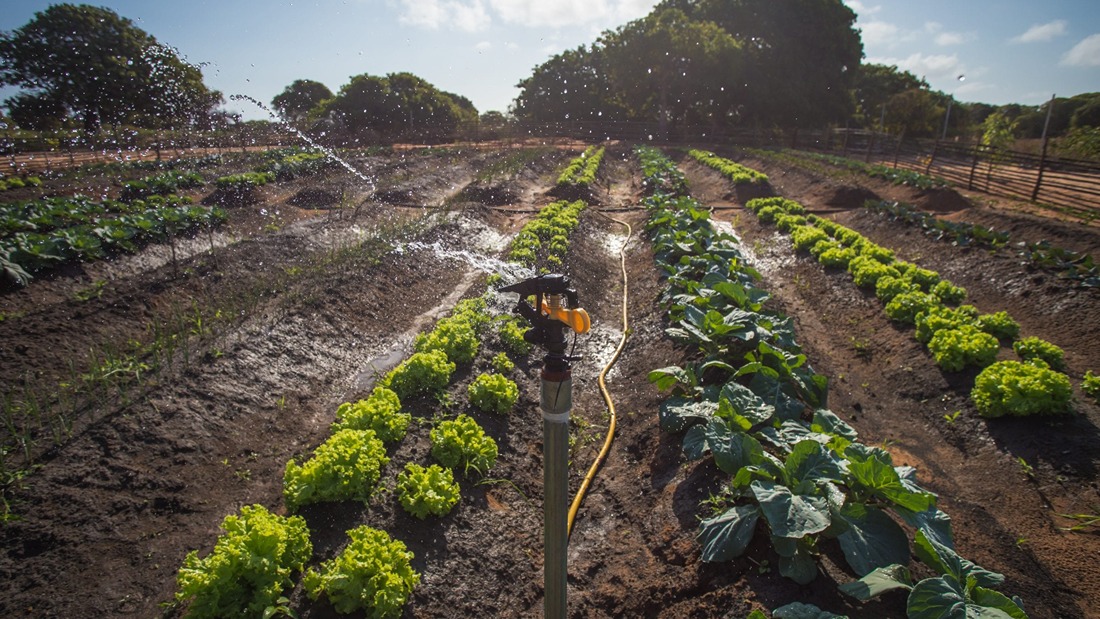
A fresh $8.6 million financing facility is set to push more capital into Malawi’s rural economy, targeting smallholder farmers and micro agribusinesses operating at the heart of the country’s agricultural sector. The European Investment Bank (EIB), through EIB Global, will provide Centenary Bank Malawi with €7.5 million to expand access to finance for smallholder farmers and agrifood microenterprises.
Announced on 15 September 2026, the facility will divide the funding equally between sustainable and climate-resilient agriculture and businesses supporting women’s economic empowerment. Centenary Bank will channel the financing to agrifood microenterprises with fewer than 10 employees and to smallholder farmers, widening access to longer-term funding for businesses and producers that remain underserved by conventional finance. The facility also includes technical assistance to strengthen the bank’s capacity to increase agricultural lending, reach underserved customers and encourage the adoption of climate-resilient practices.
“Our partnership with Centenary Bank allows us to channel long-term financing where it is needed most: in rural communities. When a microenterprise can borrow, it can invest and grow. And when it grows, that means more jobs and income for the entrepreneur and their family,” said Marko Primorac, Vice-President of EIB. The financing forms part of the European Union’s Global Gateway initiative, which supports investment partnerships outside the bloc.
Agriculture contributes about 25% of Malawi’s gross domestic product and employs more than 70% of the workforce, according to the World Bank. Micro, small and medium-sized enterprises contribute an estimated 47% of GDP and support about 1.7 million jobs, according to the European Union. Yet access to finance remains a constraint on investment across the sector, while increasing exposure to droughts, floods and other climate-related shocks is adding pressure on rural livelihoods. The new facility is therefore positioned to support both agricultural investment and resilience, giving farmers and small businesses greater capacity to invest, expand production and withstand climate-related disruptions.