The government is backing a winter maize seed project at Lilongwe University of Agriculture and Natural Resources (LUANAR), aimed at tackling shortages in the availability, affordability and accessibility of seed under this year’s Farm Input Subsidy Programme (FISP).
The scheme is being run through LUANAR’s Mega Farm Initiative at Dwangwa in Nkhotakota district, where the university is growing maize across 150 hectares within the Illovo Sugar estate.
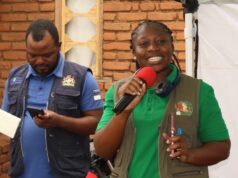
Lameck Fiwa, coordinator of the LUANAR Mega Teaching Farm Project, said the work was on track, with seed processing due to begin shortly.
Speaking during a media visit to the farm on Wednesday, he said: “We have been on the ground since May this year and we are expecting to be through with this project by mid of October. The Government has been so generous to us, and we feel we are going to produce according to the expectations.”
He said the project demonstrated the potential of winter irrigation for maize production beyond the usual growing season, and that LUANAR had partnered with Illovo to take advantage of the company’s existing machinery and irrigation infrastructure allowing the project to move quickly.
The partnership, he added, should help ensure seed is ready in time for farmers relying on FISP.
Naomie Kolala, farm manager at LUANAR Holdings Company Limited, said the project was targeting a minimum yield of four tonnes of maize per hectare.
“We anticipate that harvesting will be done mid-October, and that will be done by manual shelling. The seed is a medium maturity variety, it takes 90 days to mature,” she said.
The project has also created jobs locally, with more than 150 general workers recruited to support irrigation and other farm activities, according to Kolala.
The initiative is valued at more than K1 billion, and forms part of government efforts to ensure farmers have timely access to quality seed ahead of the FISP season.
It also underscores the wider potential of irrigation-backed agriculture in Malawi boosting production, generating employment, and strengthening the country’s ability to meet its own seed requirements.