While Malawi’s economy wrestles with foreign exchange shortages and rising prices, one of its largest conglomerates is making a contrarian bet, that aggressive capital deployment into the sectors most constraining growth can shift the country’s trajectory rather than wait it out.
Press Corporation plc posted a K261 billion profit for 2025, more than double the K126 billion recorded the previous year and is now channelling that momentum into energy, agriculture, tourism, transport and health. Speaking at a stakeholder engagement in Blantyre, Group Chief Executive Officer Ronald Mangani framed the strategy as targeted intervention rather than diversification for its own sake, aiming at “areas that have a direct impact on production and livelihoods, sectors where bottlenecks often ripple across the entire economy.”
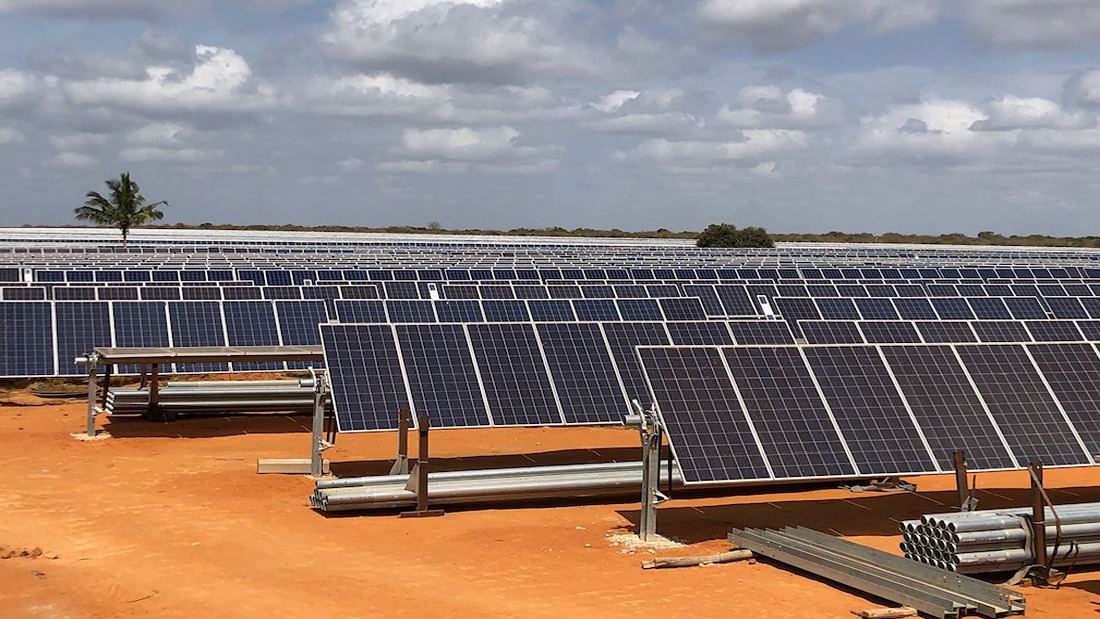
The centrepiece is a 50 megawatt solar project, aimed squarely at Malawi’s most persistent structural constraint: unreliable, costly electricity. “This 50-megawatt solar project is very important for us because it speaks directly to one of Malawi’s biggest challenges, reliable and affordable energy supply,” said Mangani. If delivered on schedule, the project could ease power constraints that have throttled manufacturing, small enterprise and industrial expansion. On the agricultural side, Press is moving into fertilizer production, ethanol and carbon dioxide processing, a play on import substitution as much as productivity. “In agriculture, what we are doing is about supporting productivity. Fertilizer production and related projects are meant to reduce dependence on imports and strengthen value chains for farmers,” noted Mangani.
The Group’s ambitions extend into transport, tourism and health, sectors Mangani expects to generate ripple effects through job creation and service delivery gains. “In transport and other service sectors, the intention is to improve efficiency, create jobs and support the movement of goods and people more effectively across the economy,” said Mangani. A parallel push into commodity trading and distribution, in partnership with African financial institutions, is designed to strengthen regional trade flows and take some pressure off Malawi’s scarce foreign currency reserves. Digital infrastructure is part of the picture too, with TNM’s acquisition of the OCL Data Centre expected to bolster data services as the country builds toward a broader digital economy.
Mangani was candid about the constraint still overshadowing every ambition on the list. He said, “Foreign exchange availability remains one of the biggest constraints in our operating environment. It affects everything, imports, investment and growth. We are trying, in our own way, to contribute to easing that pressure.” The market response has been favourable. Minority Shareholders of Listed Companies (MISALICO) Secretary General Frank Harawa welcomed the results as evidence of “disciplined management and value creation for investors even in a difficult operating environment” and characterised the sector-wide expansion as a positive signal for Malawi’s broader growth prospects. Investors tracking capital allocation trends across frontier African markets, Press Corporation’s strategy is a case study in using balance-sheet strength to attack structural bottlenecks directly with energy, inputs and logistics rather than simply riding out a difficult macro cycle.