The African Development Bank Group approved an $8.49 million grant to rehabilitate agrarian communities in Malawi, aiming to pull thousands of smallholder farmers out of a deep cycle of food insecurity triggered by extreme weather events.
The funding, sourced from the African Development Fund’s Climate Action Window, will target the southern districts of Phalombe and Thyolo. Both regions were devastated in 2023 by Cyclone Freddy, a record-breaking storm that washed away more than 50,000 hectares of farmland and crippled over 60 irrigation networks across the southern African nation.
Three years after the disaster, the economic fallout remains severe. Roughly three-quarters of Malawi’s population lives below the international poverty line, and chronic food insecurity persists. In the targeted southern districts, childhood stunting rates for those under five years old hover near 38%, underscoring the long-term structural damage of the climate shock.
Structural Transformation
The newly minted initiative, formally named the Enhancing Climate-Adapted Agricultural Productivity through Improved Water Management project, is scheduled to run through September 2031. It aims to scale up local agricultural infrastructure to withstand future ecological volatility.
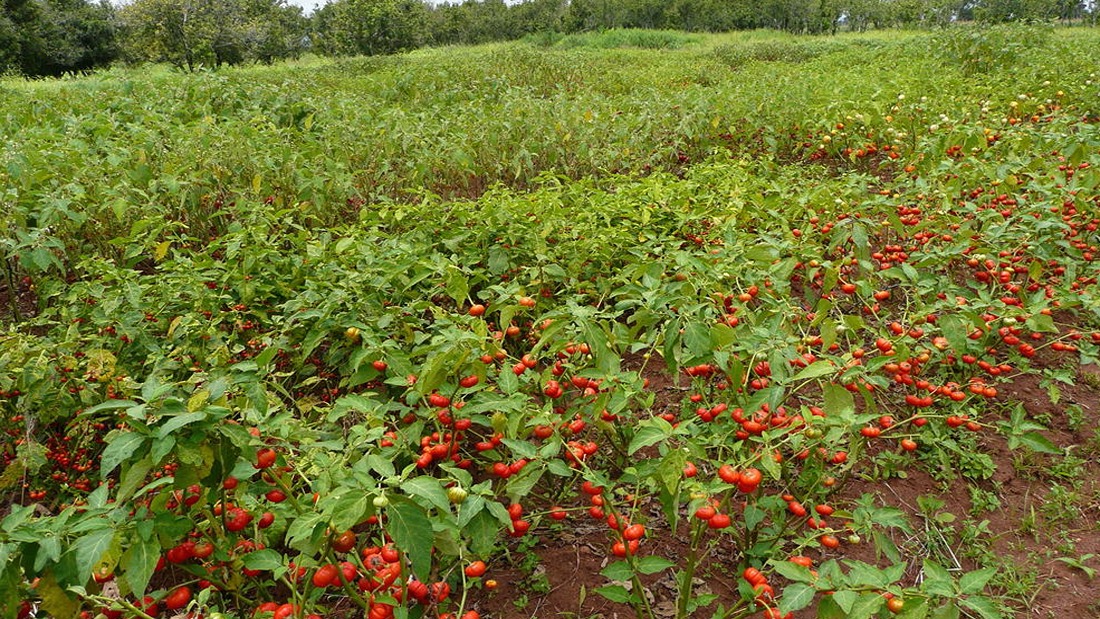
Central to the five-year, $14.41 million program is the complete overhaul and climate-proofing of three damaged irrigation schemes spanning 180 hectares. Project planners project that the infrastructure upgrades will lift local smallholder crop yields by 35% to 40%. Once the sites reach full maturity, average household incomes are forecast to surpass $1,000 annually.
“This is about reconstruction and transformation,” Macmillan Anyanwu, the African Development Bank’s Country Manager for Malawi, said in a statement. “We are rebuilding infrastructure that can withstand the next cyclone while equipping farmers with the skills, farm inputs and market access opportunities they need to thrive long after the project ends.”
Beyond structural engineering, the project allocates resources to land restoration and workforce development. It outlines plans to restore 650 hectares of degraded catchment areas via nature-based solutions to safeguard local water sources. Additionally, approximately 28,000 smallholders will undergo training in climate-smart agricultural techniques to optimize output under shifting environmental conditions.
The program introduces strict benchmarks for social inclusion, mandating that women comprise at least 40% of direct beneficiaries, with a specific focus on female-headed households and youth integration.
“Crucially, the project promotes inclusive participation by prioritizing the empowerment of women and youth, ensuring that the benefits of resilience-building are shared across vulnerable groups,” said Neeraj Vij, the AfDB’s Regional Sector Manager for Southern Africa.
A consortium led by the United Nations Food and Agriculture Organization (FAO) will oversee implementation, alongside the International Fund for Agricultural Development (IFAD), the UN Office for Project Services (UNOPS), and the Malawian government. Organizers anticipate the commercial spillovers and improved water services will indirectly support an additional 10,000 households across the region.