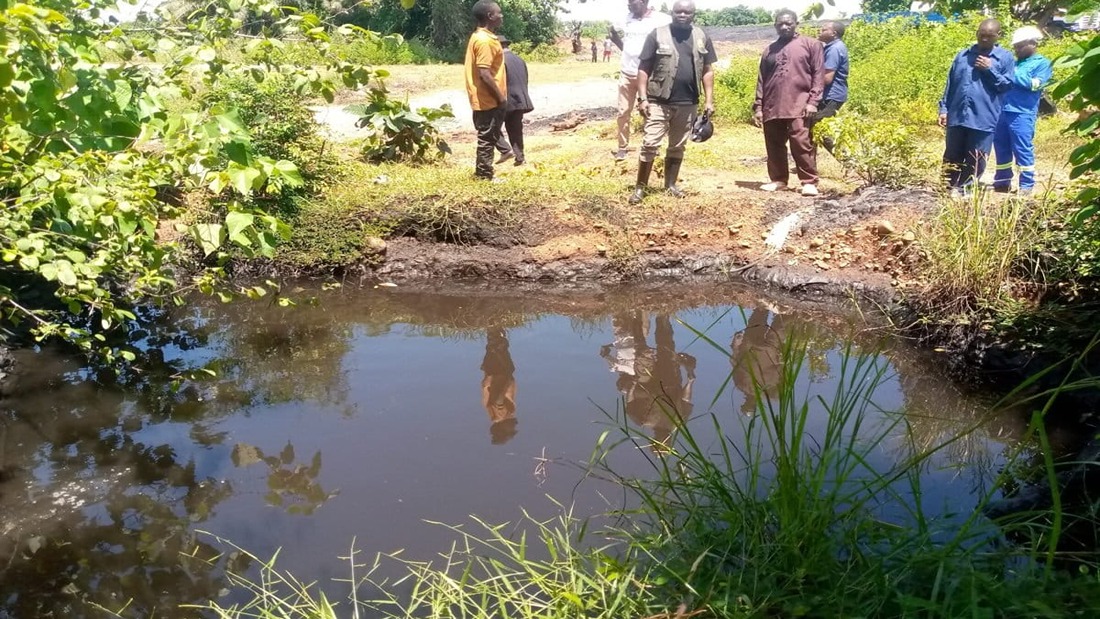
The Malawian government has taken decisive action in the country’s northern coal mining heartland by suspending the mining licence of Coal & Minerals Group Limited. This intervention follows a significant public outcry from local communities in the Karonga and Rumphi districts, who reported that mining waste was being dumped directly into two vital rivers. These water bodies serve as a lifeline for thousands, providing essential water for domestic use, livestock, and agriculture. Preliminary investigations by the Mining and Minerals Regulatory Authority (MMRA), alongside environmental and water regulators, confirmed that the discharge of coal-associated waste and poorly managed runoff had seriously compromised the health and safety of the surrounding population.
The suspension highlights a systemic failure in operational oversight, as the MMRA revealed that the company lacked critical legal documentation, including plans for mine waste management and site rehabilitation. Evidence of uncontrolled runoff from mining pits and inadequately designed storage facilities or tailings dams pointed to a blatant disregard for established environmental standards. While the company’s management denied deliberate contamination and cited a prior clean inspection, local leaders and rights groups argue that the environmental degradation was an escalating crisis. Traditional authorities have since called for a comprehensive audit of all mining firms in the region to ensure that the pursuit of industrial profit does not come at the cost of public health.
This incident serves as a stark reminder of the broader challenges facing Africa’s extractive industries, where the promise of economic growth often clashes with environmental protection and human rights. For decades, the northern region of Malawi has grappled with reports of coal dust contaminating farmland and labour violations, yet enforcement has frequently lagged behind the letter of the law. The current suspension will remain in force until the operator constructs approved tailings dams and implements a comprehensive river cleanup plan. The government has also imposed a fine and warned that further non-compliance could result in lengthy prison sentences for responsible personnel or the permanent cancellation of the mining licence.
The situation in Malawi underscores the necessity of the “innovation-led growth” model currently being advocated at the highest levels of continental policy. True industrial progress requires not just the extraction of resources, but the application of frontier technologies and strict data-driven regulation to mitigate ecological footprints. Without such a pivot, the continent risks a cycle of low-value production and environmental debt that undermines long-term prosperity. As African nations seek to balance their industrial goals with sustainability, the words of Claver Gatete, Executive Secretary of the Economic Commission for Africa, resonate with particular urgency: “If African countries act with urgency and purpose, they can shape a labour market that is more productive, more inclusive and more resilient than the one they inherited.”