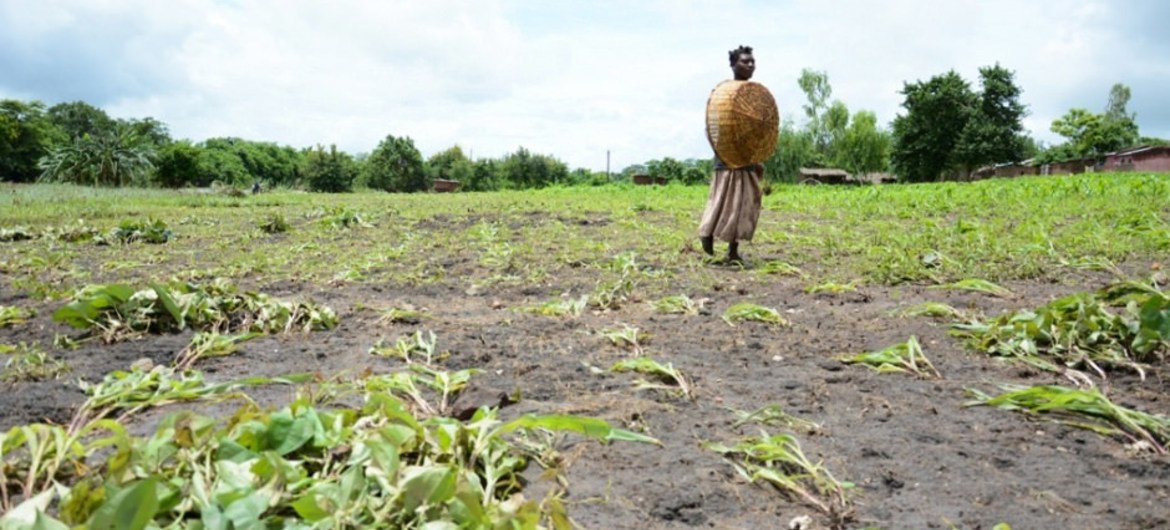
Lilongwe, Malawi – A chilling new report has cast a stark light on Malawi’s escalating humanitarian crisis, revealing that a staggering 6.8 million Malawians – more than a third of the population – are now unable to meet their most basic food needs. The sobering findings from the 2025 Global Report on Food Crises (GRFC) paint a grim picture of a nation teetering on the edge of a deepening poverty abyss.
The report details that 5.7 million people in the Warm Heart of Africa are languishing under IPC Phase 3, a classification that denotes severe acute food insecurity. This alarming category signifies households grappling with severe limitations in accessing food, forced to resort to desperate and often harmful coping mechanisms simply to survive another day.
This dire situation is not a fleeting crisis but a deeply entrenched and worsening trend. Malawi has become a grim fixture in every GRFC report since 2018, a distressing testament to a protracted food crisis fuelled by a toxic cocktail of structural deficiencies and unforgiving climate-related challenges.
Poverty’s Vicious Embrace and Macroeconomic Headwinds
The GRFC warns that the escalating tide of poverty and malnourishment are direct and devastating consequences of declining welfare across the nation. The report meticulously links this downward spiral to intense macroeconomic pressures, including critical foreign exchange shortages, a worrying reduction in official development assistance, and an inherently fragile fiscal capacity.
“These factors threaten currency stability and Malawi’s ability to import essential goods,” the GRFC underscores, vividly illustrating how the insidious tendrils of hunger are inextricably linked to a broader economic crisis.
Maize Deficit Deepens the Famine Fears
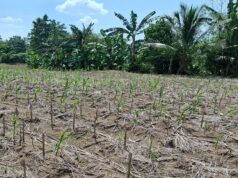
Compounding the unfolding food crisis are preliminary crop production estimates for the 2024/25 season. Forecasts indicate that Malawi will harvest a meagre 2.96 million metric tonnes of maize against a national requirement of 3.5 million tonnes. This gaping shortfall of over half a million metric tonnes further imperils national food security and casts a long shadow over the coming months.
Amidst the growing despair, agricultural extension specialist Leonard Chimwaza has issued a resounding call for a fundamental paradigm shift – away from reactive emergency responses and towards robust, long-term strategies. He advocates for an aggressive prioritisation of mega-farm productivity, the timely and efficient distribution of crucial agricultural inputs, the widespread adoption of climate-smart farming techniques, and a significant overhaul of the nation’s often dilapidated storage infrastructure.
Chimwaza stressed the imperative for government to diversify food sources through the promotion of small-scale livestock farming. He also underscored the critical short-term role of the Agricultural Development and Marketing Corporation (Admarc) in ensuring equitable and affordable maize distribution, a lifeline for many struggling households.
Government’s Response: A Glimmer of Hope?
In response to the mounting pressure, Minister of Agriculture Sam Kawale acknowledged the gravity of the crisis but pointed to ongoing governmental efforts. He revealed a substantial investment of nearly K100 billion into irrigation projects, complemented by support for fertiliser, seeds, and pest control, all aimed at bolstering vital off-season production.
“We are committed to ensuring no one is left behind,” Kawale stated, offering a ray of hope amidst the gloom. “Dodma will continue distributing free food to vulnerable households, and Admarc has received additional funding to sell maize at subsidized prices.”
A Crisis of Systemic Vulnerabilities
While these immediate steps offer some solace, experts caution that Malawi’s pervasive food crisis is a stark reflection of deep-seated systemic vulnerabilities – an intricate web of economic fragility, climatic susceptibility, and governance challenges. They argue that without a coordinated national and international response that meticulously addresses these root causes, millions will continue to endure the indignity of hunger, trapped in a cycle of deepening poverty.
As the hunger crisis escalates with each passing day, the fate of millions of Malawians hangs precariously in the balance – not merely for this season, but for the arduous years that lie ahead. The question remains: can Malawi truly rise from the ashes of this protracted crisis, or will its people continue to be consumed by the relentless specter of starvation?