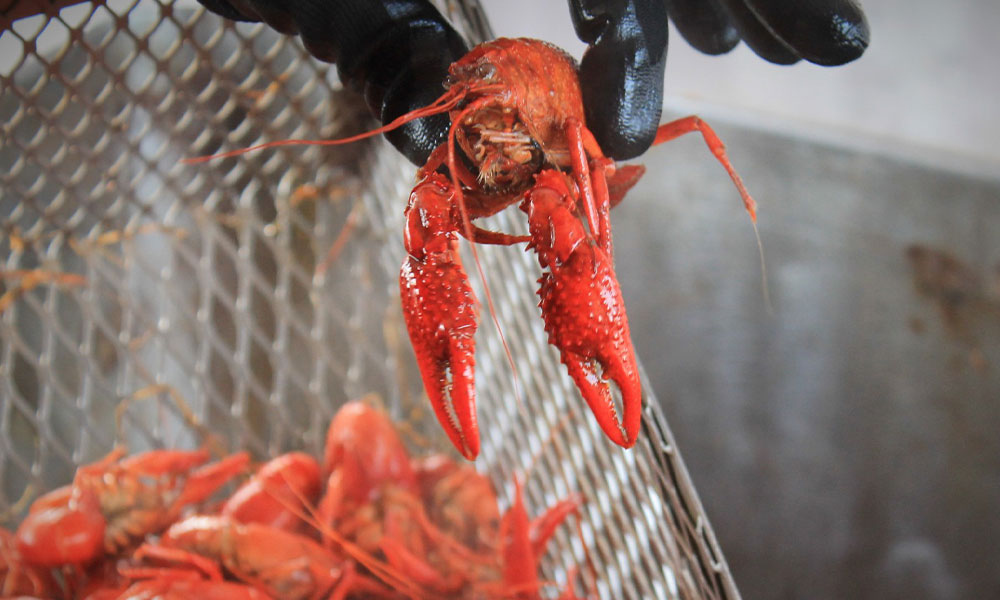
Lilongwe – Malawi’s fragile aquatic ecosystems have narrowly averted a potentially devastating invasion, thanks to the swift action of authorities who intercepted five Zambian nationals attempting to smuggle over 200 kilograms of live crayfish into the country. Environmental activists and experts have lauded the arrests, warning that the predatory crustaceans pose a severe threat to Malawi’s unique and endemic native fish species.
The illicit cargo, reportedly destined for Chinese nationals residing in Malawi, has ignited fresh concerns about illegal activities and their detrimental impact on the nation’s environment. Experts are emphatic: the introduction of these alien invaders could wreak havoc on Malawi’s delicate aquaculture system, mirroring ecological disasters seen in neighbouring Zambia, as well as South Africa and Namibia.
A Wake-Up Call for Border Controls
The five individuals, apprehended with five bags of live crayfish, were recently brought before the courts, facing charges of “carrying out activity involving specimens and alien invasive species.” They were ordered to pay a fine or face a 12-month custodial sentence, a legal outcome that underscores the seriousness with which Malawian law views the introduction of non-indigenous species without proper permits from the Department of Fisheries.
During the court proceedings, a deputy director from the Department of Fisheries painted a grim picture of the ecological threat, explaining how these alien crayfish, known to feed on other fish species, their eggs, and aquatic vegetation, could severely disrupt Malawi’s natural aquatic balance.
Environmental commentators highlighted that the country is already battling a proliferation of invasive alien plant species, particularly in iconic locations like Nyika National Park and Mount Mulanje, which are distorting their natural beauty and ecological integrity. The attempted crayfish smuggling serves as a chilling reminder of the constant vigilance required to protect Malawi’s biodiversity.
The Chinese Connection: A Growing Concern
This latest incident has inevitably shone a harsh spotlight on the broader issue of illegal activities involving Chinese nationals across Africa, which environmentalists argue are contributing to widespread degradation. While direct links to the Chinese government are difficult to establish, and legal imports certainly occur, a worrying trend of syndicates engaged in smuggling and environmentally harmful resource extraction methods has emerged.
Reports from across the continent point to Chinese involvement in infrastructure development and natural resource extraction contributing to increased carbon emissions and significant environmental damage. This includes rampant deforestation, habitat destruction, water contamination, and air pollution.
In Ghana, for instance, illegal gold mining operations, often involving Chinese nationals, have been widely blamed for devastating deforestation, severe water pollution, and extensive soil degradation, with studies documenting biodiversity loss and the contamination of water sources with toxic chemicals like mercury and cyanide. Similar concerns have been raised in the Democratic Republic of Congo regarding Chinese-owned mining operations. Even in neighbouring Zambia, authorities and environmentalists have voiced alarm over environmental damage from Chinese-owned copper mines, citing incidents of acidic waste spilling into major waterways, leading to mass fish deaths and crop damage.
A Call for Robust Mechanisms
Greshan Kamnyamata, a prominent Agriculture and Environmental Specialist, voiced deep concern over the crayfish smuggling to RFI, describing the invasive species as a formidable competitor that “outcompetes native species and causes them to disappear while the invasive species thrives.” His warning is particularly resonant for Malawi, a nation celebrated for its unique cichlid fish species, found nowhere else in the world.
Kamnyamata urged the Malawian authorities to view this incident as a critical “wake-up call,” signalling the potential for other foreign products to enter the country illegally, whether through tourists or business people. “Malawi receives many tourists who bring products from China, Tanzania, India, Zambia, and indeed from around the world,” he stated. “If robust mechanisms are not put in place to screen such individuals, we risk severe environmental degradation or even the extinction of native species.”
As Malawi grapples with its economic crisis and rising cholera infections, the fight to protect its natural heritage from invasive threats has become yet another urgent battle on its already crowded agenda. The crayfish incident serves as a stark reminder that environmental security is inextricably linked to national well-being.