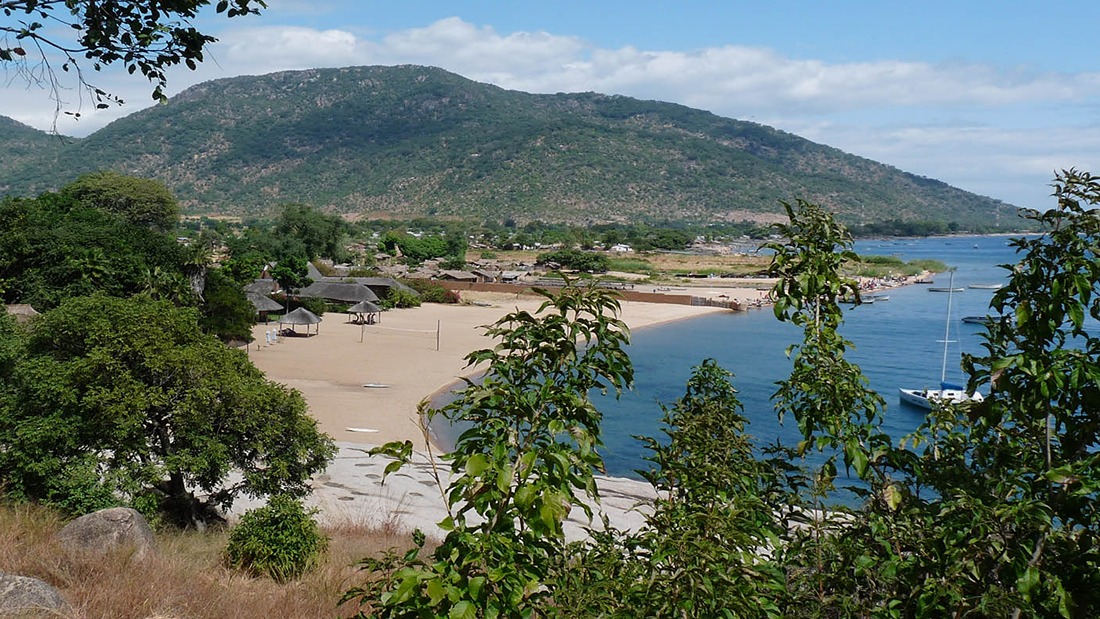
As Africa’s natural resource sectors increasingly intersect with global conservation priorities, the importance of robust management systems for World Heritage properties has moved to the forefront of the developmental agenda. In a significant move to bolster the protection of one of the continent’s most vital freshwater ecosystems, UNESCO recently concluded an intensive capacity-building workshop at Lake Malawi National Park. Inscribed on the World Heritage List in 1984, the park is a global benchmark for biodiversity, hosting a unique population of cichlid fish found nowhere else on Earth. The initiative, part of UNESCO’s Global Priority Africa programme, underscores the necessity of balancing the ecological integrity of such sites with the socio-economic requirements of the local communities that depend on these natural resources for their livelihoods.
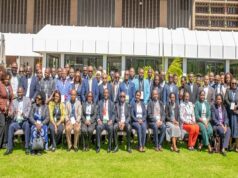
The training, which spans from February to May 2026 with support from the governments of Norway and the Netherlands, brought together a multi-stakeholder cohort of over 30 participants, including representatives from government agencies, civil society, and academic institutions. A central component of the April in-person workshop in Mangochi was the implementation of the Enhancing Our Heritage Toolkit 2.0 (EOH 2.0). This sophisticated evaluative framework allowed park authorities and various government departments including Fisheries and Museums and Monuments to conduct a rigorous assessment of the current management system. By scrutinising governance arrangements, monitoring processes, and the factors affecting the property’s Outstanding Universal Value, stakeholders were able to identify critical gaps and set evidence-based priorities for the site’s future.
Beyond immediate conservation metrics, the programme is designed to prepare the park’s management for the escalating pressures of climate change and shifting environmental dynamics. The integration of community-based fish conservation initiatives into the updated management plan highlights a shift toward more inclusive, adaptive governance models that mirror the sustainable practices increasingly demanded in the mining and industrial sectors. As the final sessions in May approach, the focus will transition toward long-term resilience, ensuring that the park remains a protected sanctuary of biodiversity while supporting the regional economy. This structured approach to heritage management serves as a vital case study for the extractive industries on how to navigate complex environmental landscapes through scientific analysis and stakeholder collaboration.
Reflecting on the strategic importance of this training for the region’s heritage and ecological security, Oris Malijani of the Department of Museums and Monuments in Malawi stated: “This programme aims to strengthen management effectiveness at the World Heritage property by equipping stakeholders with practical skills to assess conservation challenges, respond to climate change pressures, and support evidence-based decision-making for the protection of the site’s Outstanding Universal Value.”