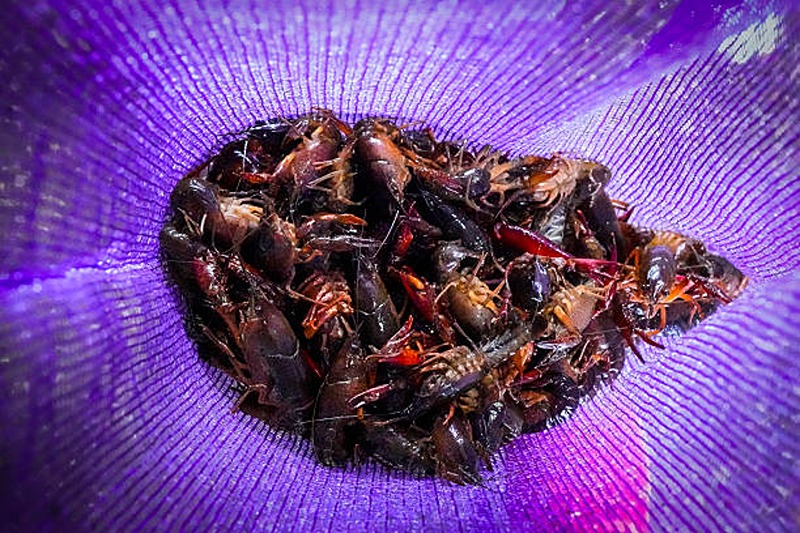
Malawian authorities have successfully curtailed the illegal importation of invasive redclaw crayfish following a significant enforcement surge along the nation’s borders. This strategic shift comes nearly a year after a substantial seizure of the Australian species, which was being smuggled from neighbouring Zambia. By implementing more rigorous inspections at border crossings and conducting spot checks within local markets and river systems, the Department of Fisheries has effectively disrupted the supply chain of this ecologically hazardous crustacean. The heightened vigilance is part of a broader regional collaboration involving Zambia, Tanzania, and Mozambique, aimed at ensuring exotic species do not infiltrate and devastate local aquatic environments.
The urgency of these measures was underscored by a major incident in May 2025, when four Zambian nationals were apprehended with 250 kilograms of live redclaw destined for a Chinese restaurant. While the offenders were fined and the contraband incinerated, the event served as a wake-up call regarding the vulnerability of Malawi’s porous borders. Experts from the Lilongwe University of Agriculture and Natural Resources have highlighted that maintaining strict biosafety protocols at entry points is the primary line of defence against such biological threats. Despite criticisms from some environmentalists that the financial penalties imposed on smugglers remain too low to serve as a true deterrent, officials expressed satisfaction that the courts have consistently supported the destruction of seized specimens to prevent any chance of environmental escape.
The potential establishment of redclaw crayfish in Malawian waters poses a severe risk to the country’s biodiversity and economy. As an aggressive species that preys on native fish and competes for vital resources, the redclaw could cause a collapse in local fishery yields if it reaches the country’s river systems and wetlands. Such an ecological disaster would threaten the livelihoods of over half a million people involved in the fishing and processing industries, directly compromising national food security. By maintaining these stringent controls, Malawi aims to protect its endemic species from the pathogens and predatory pressure associated with this invasive invader.
Regarding the necessity of these preventative measures, fisheries expert Jeremiah Kang’ombe remarked: “Our borders being porous, this is the first line of defence when it comes to smuggling of these alien species. It will ensure some biosafety measures are applied accordingly.”