“Agroecology is an alternative to corporate-led industrial food systems that works towards food security through achieving food sovereignty ensuring people’s right to nutritious food that is culturally appropriate, ecologically sustainable, and defined by the producers themselves.”
The journey to Chombe Village in northern Malawi is a sensory immersion into a landscape defined by both beauty and grit. Racing along dusty dirt tracks on the back of a motorbike, one balances on a metal grid while a green sea of rice fields blurs past, punctuated by the towering presence of Bungulu Mountain. In this rural heartland, where the vast majority of the population relies on the land for survival, a quiet revolution is taking place under thatched straw shelters. Led by grassroots organisations like EARTH Workshops, villagers are moving away from a reliance on expensive, external inputs and toward a regenerative system that treats the farm as a living ecosystem. Here, the traditional ‘Mother Boss’ or Ama Bwane oversees nurseries where fruit tree seedlings sprout from recycled milk packets, turning what was once considered waste into a source of community wealth and ecological restoration.
At the core of this movement is a deep, scientific understanding of nutrient cycling and soil health. In villages like Chombe and Singo, the air is often thick with the scent of fermenting organic matter as villagers master the art of compost and Mbeya fertiliser. By combining food waste, manure, ash, and even stored urine, farmers create a rich, dark-brown medium that breathes life back into soils previously dismissed as dead. Field officers use simple but effective tools, such as temperature sticks, to monitor the heat released by rotting material, ensuring the energy of decomposition is harnessed correctly. This process does more than just feed the plants; it fosters an independence from the volatile prices of commercial fertilisers, allowing the community to build a sustainable food system using materials sourced entirely from within their own boundaries.
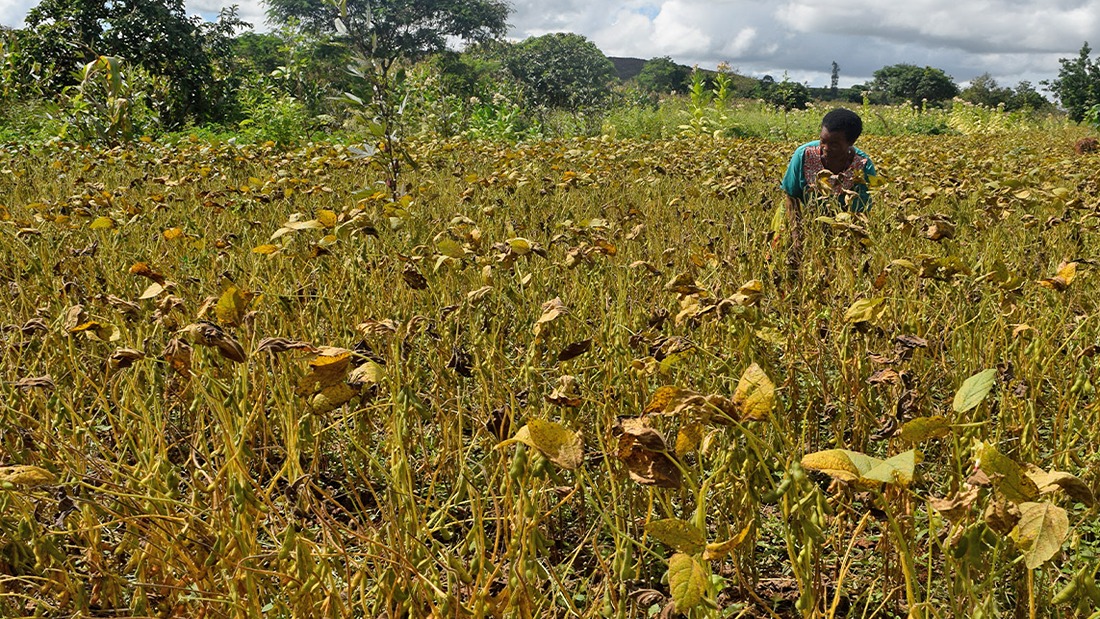
The physical landscape of these villages is being reshaped by clever water management and agrobiodiversity. By digging boxed furrows and applying thick layers of organic mulch, farmers are successfully capturing precious moisture and protecting the soil from the intense Malawian sun. Intercropping the practice of growing multiple, mutually beneficial crops in the same space is replacing the precarious monocultures of the past. These diversified systems incorporate indigenous cereals like sorghum and finger millet alongside leguminous foods, creating a biological safety net. As climate change increases the frequency of droughts and floods, these resilient, indigenous crops provide a vital backup, ensuring that even if the maize fails, the village does not go hungry.
Ultimately, this shift toward agroecology is a radical act of decolonisation and social justice. It elevates local, traditional knowledge to the same status as modern science, empowering smallholders to take control of their own nutritional and economic destinies. By fostering a food system organised from the bottom up, Malawian communities are addressing the dual challenges of climate resilience and poverty. This is food sovereignty in its most practical form: a transition toward a future where the needs of the producers and the health of the planet are valued far above the demands of global markets and corporations. Through the work of interns, field officers, and dedicated villagers, the dirt roads of Nkhata Bay are becoming pathways to a more secure and self-sufficient Africa.