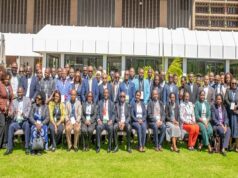
Malawi is confronting a stark arithmetic problem as each year approximately 270,000 young people enter the labour market, yet the economy generates only around 40,000 formal jobs annually. A national workshop held in Lilongwe has put forward the green economy as one of the most credible pathways to bridging that gap.
The dissemination workshop, organised by Save the Children and consortium partners including CRECCOM, ADRA, Emerge Livelihoods, Teveta and Mzuzu University, presented findings from a policy analysis study examining how existing frameworks can better support green job creation for young people. The event brought together government, academia, the private sector, civil society and youth groups under the theme “Unlocking Green Jobs for Malawi’s Youth: Policy Coherence, Skills Development and Strategic Investment.”
Save the Children Malawi’s Director of Programme Operations Chakufwa Munthali framed the opportunity clearly. “Green jobs represent an important opportunity to address both challenges simultaneously. They offer the potential to create employment, support sustainable economic growth, and build climate resilience, while equipping young people with skills that are relevant for the future,” noted Munthali.
The policy analysis found that whilst Malawi has frameworks supporting environmental sustainability and youth development, gaps in coordination, skills alignment and access to opportunities are limiting the growth of green employment. Sectors identified as holding the greatest potential include renewable energy, climate-smart agriculture, sustainable construction and environmental management.
Participants agreed that unlocking green jobs at scale will require stronger policy coherence, expanded technical and vocational training aligned with emerging sectors, greater access to finance for youth entrepreneurs and deeper collaboration between government, training institutions and the private sector, a package of changes that is straightforward to articulate but will require sustained political will to deliver.