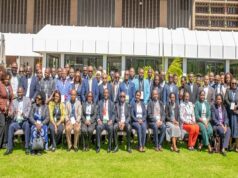
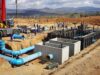
The Lilongwe Water Board (LWB) has launched a K4 billion water bottling plant, marking a significant milestone in its ongoing reform and efficiency drive. The initiative, entirely funded by internal savings, is expected to create a new revenue stream and support the utility’s core business of water supply.
The newly launched product, named Dzalanyama Springs, is intended to provide residents with access to safe drinking water, helping to curb the spread of waterborne diseases like cholera. According to the Ministry of Water and Sanitation Principal Secretary, Elias Chimulambe, the project is a testament to the success of public service reforms.
LWB board chairperson Inkosi ya Makosi M’mbelwa V stated that the facility’s funding came from “internal savings and operational reforms” initiated in 2020. The project is anticipated to boost the utility’s revenues, enabling reinvestment in crucial network upgrades and service delivery improvements. M’mbelwa also noted the project’s aim to provide a high-quality product in a market where “some of the bottled water on the market is substandard.”
This investment is part of a broader strategy for diversification, with LWB planning future projects in solar power to cut energy costs, expand sewerage services, and explore gas and fertilizer ventures.
The utility’s performance reflects a wider trend of transformation in the sector. Peter Simbani, Comptroller of Statutory Corporations, noted that other water boards are also preparing to launch similar plants.
The bottling plant’s launch follows a strong financial year for LWB. The utility reported a K9.8 billion profit after-tax for 2023/24, a 27% increase from the previous year’s K2.6 billion. The improvement was primarily attributed to a reduction in non-revenue water from 40% to 35.5%, along with enhanced leak detection and billing systems. According to a government report, these gains were a result of efficiency measures, including strict adherence to emergency response standards, rapid repair times for bursts, and the implementation of a new faults management system.