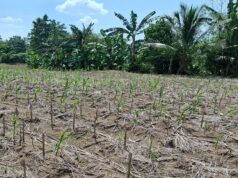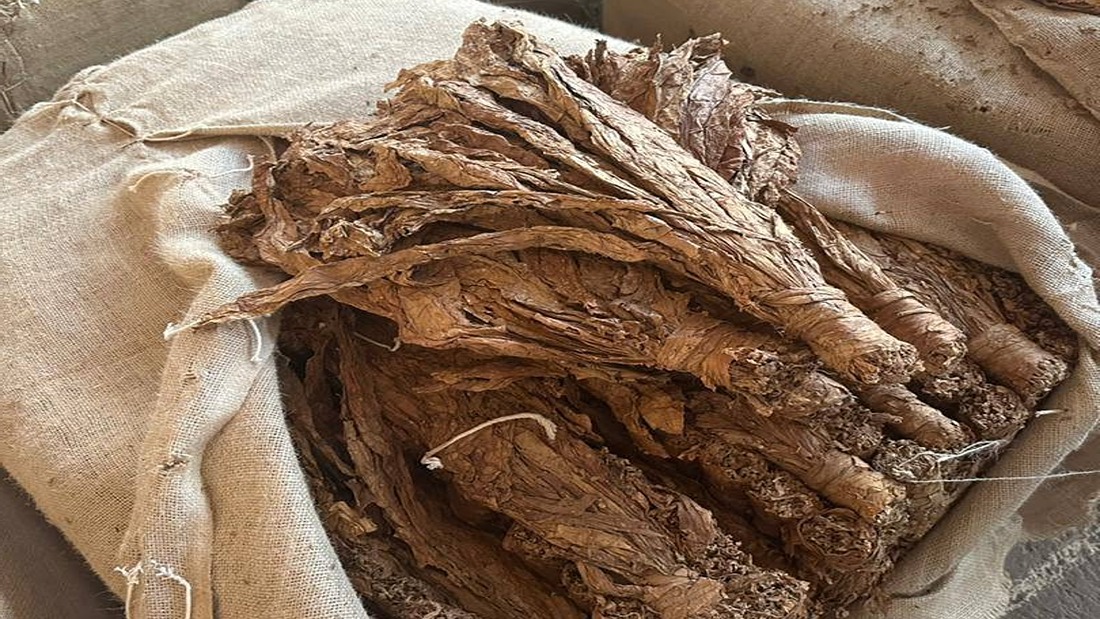
For decades, the lifeblood of Malawi’s economy has been rooted deep in its soil. Agriculture remains the indisputable engine of the Southeast African nation, sustaining millions of rural households and accounting for roughly 80 percent of all export earnings. From tobacco to tea and sugar, the hard work of agrarian communities has long carried the financial weight of the country.
Yet, relying so heavily on the land comes with inherent vulnerabilities, especially in an era of fluctuating commodity prices and climate uncertainty. Now, just 80 kilometres north of the commercial hub of Blantyre, a dramatic new narrative is unfolding one where the earth beneath the crops may hold the key to unlocking unprecedented prosperity for Malawi’s agrarian base.
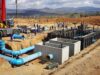
In the rolling terrain of Kangankunde, Australia’s Lindian Resources is actively constructing what promises to become one of the world’s premier rare earths developments. Heavy machinery is already on-site, fast-tracking a facility designed to supply key elements essential for smartphones, electric vehicles, and AI data centers.
“We are currently in construction and will be in production at the end of the year,” Executive Director Zac Komur told Bloomberg in a recent interview, pointing to the project’s rapid momentum. “It should have been in production years ago, but we took the initiative to develop the project into production.”
Rather than replacing agriculture, the rise of critical minerals could provide the economic buffer Malawi’s farming sector has desperately needed. The World Bank estimates that mineral exports could generate a staggering $30 billion for Malawi between 2026 and 2040. A significant economic windfall of this scale offers a unique opportunity to reinvest new capital directly into national infrastructure upgrading rural power grids, improving transport corridors, and funding modern irrigation systems that directly benefit local farmers.
The scale of operations planned for Kangankunde is formidable. In its initial phase, the mine targets an annual output of approximately 20,000 tonnes of monazite concentrate, sourced from an ore body capable of supporting 500,000 tonnes in yearly mining volume. Furthermore, a second-stage feasibility study is underway to evaluate expanding production to a massive 120,000 tonnes annually. With binding off-take agreements already locked in, global supply chains are eager for Malawi’s output as Western markets seek to diversify away from concentrated critical mineral monopolies.
Ultimately, the Kangankunde project represents far more than an industrial mining venture; it is a catalyst for multi-sector growth. By creating jobs, driving local procurement, and diversifying national export revenues away from pure agrarian dependency, Malawi is positioning itself to build a far more resilient economic foundation one where modern mining and traditional agriculture can mutually power the nation forward.