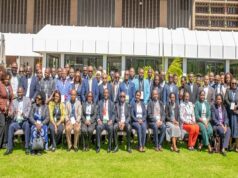
As the 2026/27 agricultural season approaches, Malawi stands at a critical juncture between historical precedent and climate resilience. Confronted by an 80 percent likelihood of an El Niño Southern Oscillation (ENSO) event, the National Planning Commission (NPC) and the International Food Policy Research Institute (IFPRI) recently convened an emergency high-level roundtable in Lilongwe to map out an evidence-based roadmap for the nation’s food security.
The stakes could not be higher. Historically, two-thirds of past El Niño episodes have hit Malawian harvests hard, driving maize yields far below national averages. Coming on the heels of the lingering recovery from the 2023/24 climate shock, policy experts, agronomists, and government leaders are shifting the narrative from reactive relief to proactive, anticipatory action.
“Malawi remains extraordinarily vulnerable to weather-related shocks, and we cannot afford to wait for the rains to fail before we act,” emphasized an NPC spokesperson during the opening address. “Another depressed production season would severely compound existing food security challenges. Reactive disaster response is no longer a viable strategy; proactive planning and structural preparedness before the onset of the rains are essential to safeguard our communities.”
The roundtable brought together a cross-sectoral coalition, drawing key decision-makers from the ministries of Agriculture, Natural Resources, Energy, Local Government, and Information, alongside the Department of Disaster Management Affairs and the Department of Climate Change and Meteorological Services. Central to their deliberations was IFPRI’s latest impact modeling, which outlines immediate agronomic interventions ranging from the widespread distribution of early-maturing and drought-tolerant crop seeds to expanded soil moisture conservation and intensified extension services.
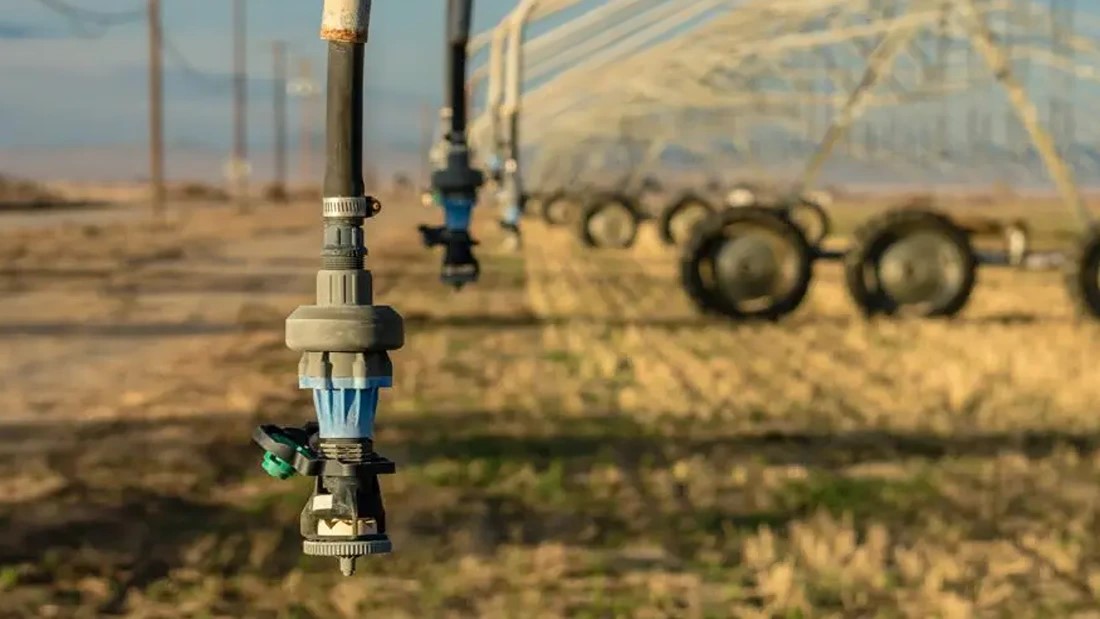
Beyond immediate field-level adaptations, the delegation outlined contingency measures should primary yields fall short, including the expansion of winter irrigation farming, aggressive post-harvest loss reduction, and targeted social protection programs. However, executing these measures demands navigating severe fiscal headwinds.
“Designing robust climate interventions is only half the battle; the real test lies in resource allocation within a highly constrained economic environment,” noted an IFPRI senior researcher during the technical sessions. “With limited public funds, foreign exchange constraints, and shifting development assistance, our focus must be on prioritizing high-impact, cost-effective interventions. Multi-institutional coordination will be the linchpin that determines whether these policy frameworks effectively shield vulnerable smallholder farmers.”
The consensus from the symposium signals a decisive turn toward cross-institutional alignment. By embedding rigorous climate modeling directly into national agricultural planning, Malawi is working to ensure that even under the shadow of a impending El Niño, its food systems remain resilient.