Lilongwe, Malawi — Despite producing over 200 million chickens annually, Malawi’s growing poultry sector is facing a severe cost-driven challenge, with soaring feed prices threatening the viability of small and medium-scale producers. Dr Julius Chulu, Director of Animal Health and Livestock Development, highlighted the gravity of the situation at the National Poultry Delivery Lab, emphasising that feed accounts for approximately 80% of total production costs, effectively squeezing profit margins across the industry.
The prohibitive cost of commercial feed is a critical bottleneck, affecting both production volumes and product quality, Dr Chulu noted. In response, his office is actively encouraging smaller livestock farmers to adopt on-farm feed production as a strategic cost-mitigation measure. This push aligns with broader industry calls for innovation and better utilisation of local resources. Ishmael D. Sunga, Chief Executive of the Southern African Confederation of Agricultural Unions, stressed the need for support to empower young entrepreneurs to develop and scale domestic feed production and supply solutions.
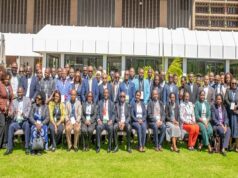
The event, co-hosted by the Alliance for a Green Revolution in Africa and the Malawi government, served as a platform to address these value chain challenges. Poultry producer Grace Gondwe, based in Bunda, shared an encouraging pathway to financial relief, stating that adopting new feeding methods, specifically using concentrate feed, can slash production costs by up to 40%, while conventional methods could achieve a reduction of 70%. This cost efficiency is viewed as a significant opportunity to boost the local industry’s competitive edge.
However, external pressures persist. Mr. Sunga issued a warning regarding cheap imported poultry products that undercut local producers and called for robust market protections to ensure fair competition within the framework of regional trade agreements. Furthermore, he cited ongoing threats from livestock diseases, necessitating enhanced biosecurity protocols and a coordinated national surveillance effort. Dr. Chulu affirmed the government’s commitment to collaborating with partners to maintain a competitive and sustainable industry, stating the goal is to “realign the potential of the poultry industry and secure the future of farmers in Malawi.”