There is currently no incinerator in Malawi capable of safely destroying obsolete agricultural chemicals to international standards and the consequences of that gap are already evident in warehouses, on farms and in the health of rural communities left without guidance on how to manage chemicals they can no longer safely use.
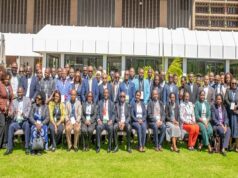
Pesticides Control Board Chairperson Victor Madhlopa disclosed the full scale of the problem on the sidelines of an engagement with the Parliamentary Committee on Agriculture and Irrigation at Bvumbwe. Some of the chemicals in storage date back two decades. “Some of the chemicals were imported by the Ministry of Agriculture but were declared substandard and became obsolete over the years. Agricultural chemicals are very strong, not like human medicine and we cannot just dispose of them easily. Other chemicals in bigger quantities were imported years ago by the Ministry of Agriculture and were found to be substandard and needed to be destroyed. However, because Malawi doesn’t have an incinerator that meets international scientific standards, we are just storing them until we find a way,” explained Madhlopa.
Without a local facility, the only option is to ship the chemicals abroad for destruction, a process that would cost millions in taxpayer money. The PCB is preparing a budget to do exactly that but the health risk is not waiting for that budget to be approved. Madhlopa warned, “These chemicals have been in our warehouses for a long time. Farmers in rural areas also have them and do not know how to dispose of them. These are the problems creating health issues among our people and damaging the environment.”
The PCB is also operating without a laboratory to test imported chemicals for safety and efficacy, a second critical gap that leaves Malawian farmers and consumers exposed to substandard and potentially harmful products. Parliamentary Committee on Agriculture Chairperson Anthony Kamoto said the committee will lobby for additional PCB funding during the Mid-Year Budget Review. “Equipping PCB with enough financial and human resources will be key to keeping Malawians safe from the harmful effects of fake and obsolete chemicals, some of which are still being used by unsuspecting people,” concluded Kamoto. The issue is not complexity but a straightforward matter of resources, political will and the speed with which both can be mobilised.