LILONGWE – Malawi’s youth are increasingly moving beyond traditional subsistence farming to embrace high-yield agribusiness through the “Plant, Grow, Share, and Sustain” project. Led by the Scouts Association of Malawi under the Food for Life (FFL) initiative, this strategic program is designed to convert small-scale peri-urban plots into profitable enterprises, addressing the twin challenges of food insecurity and chronic youth unemployment in the region.
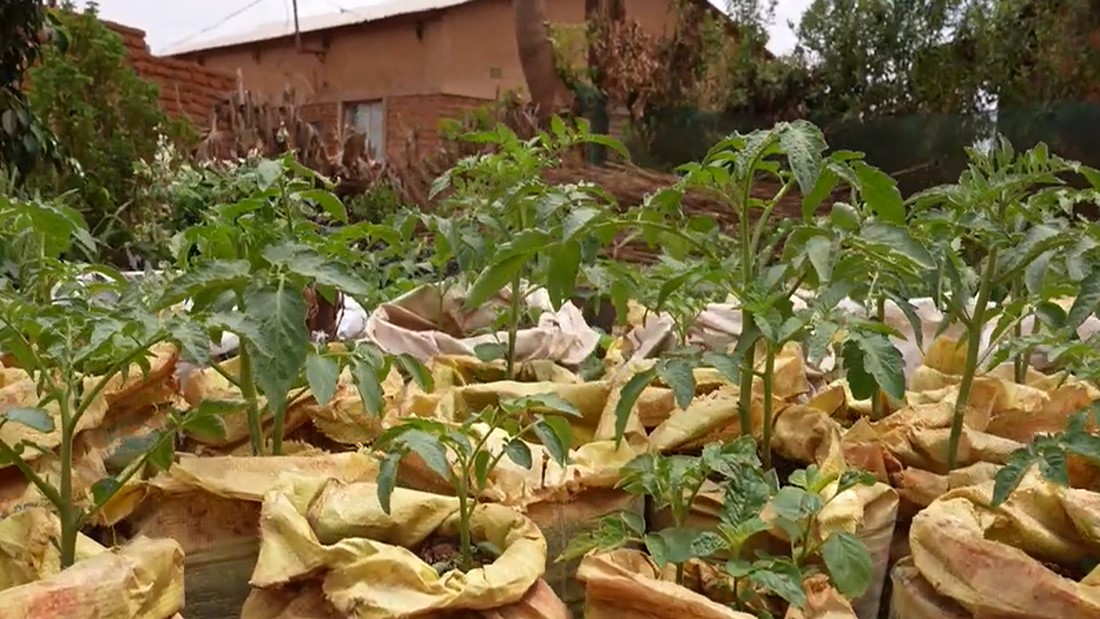
The initiative bridges the gap between passion and commercial viability by providing participants with rigorous technical training and critical seed funding. For many young Malawians, the transition from hobbyist gardening to market-oriented production represents a vital path toward financial independence. By focusing on organic composting and advanced bed preparation, the program enables growers to maximize output on fragmented landholdings that were previously considered too small for significant commercial gain.
Luciano Kabwabwa, a 23-year-old pioneer of the initiative, exemplifies the economic potential of this grassroots movement. Faced with limited resources and the heavy responsibility of supporting a large family, Kabwabwa utilized the FFL framework to professionalize his operations and secure a stable income stream. “Through the support I received, I increased my production, grew healthier plants using organic manure, and I can now take care of my family through the income I earn,” he stated, highlighting the shift toward sustainable, self-reliant livelihoods.
The success of these young “agri-preneurs” is creating a ripple effect across Malawi’s agricultural landscape, challenging the perception of farming as a struggle of last resort. As local markets begin to absorb the high-quality, organic produce generated by these scouts, the project is fostering a new generation of disciplined community leaders who view environmental stewardship as a fundamental component of business success.
The long-term goal of the FFL project is to create a scalable model of food security that can be replicated across other peri-urban communities in Malawi. By equipping the youth with market identification skills alongside technical agricultural expertise, the Scouts Association is ensuring that the “Sustain” portion of their mandate is backed by real-world economic results, providing a blueprint for resilient, youth-led economic growth.