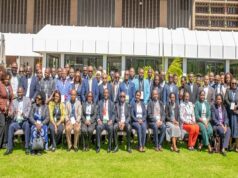
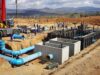
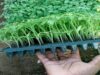
Mangochi— The Machinga Agriculture Development Division (ADD) is strongly advocating for the widespread adoption of irrigation farming as a critical strategy to combat persistent food insecurity and bolster farmer incomes in the face of escalating climate change impacts. This call to action was made by Adreck Banda, program manager for Machinga ADD, during the recent launch of the Irrigation Season and Catchment Management Campaign in Mangochi.
Banda emphasised the urgent necessity of irrigation within the ADD’s operational areas, which include Mangochi, Balaka, and Zomba districts. He highlighted that these regions have been severely affected by prolonged dry spells during recent rainy seasons, leading to significantly diminished harvests. “Irrigation farming is no longer an option, but a necessity,” Banda asserted. “With the changing climate, we must invest in sustainable farming methods. Irrigation allows farmers to harvest more than three times a year, which translates into improved food security and higher incomes.”
Leveraging Abundant Water Resources
Machinga ADD possesses a wealth of water resources, including major bodies such as Lakes Malawi, Malombe, Chiuta, and Chilwa, as well as the Shire River. Banda underscored the importance of harnessing these natural assets to develop and expand irrigation schemes, transforming them into engines of agricultural productivity.
Success Story: Mgwirizano Irrigation Scheme
A compelling testament to the potential of irrigation farming is the Mgwirizano Irrigation Scheme located in the Masuku Extension Planning Area at Ipani. This 5.5-hectare scheme is demonstrating impressive results and serving as a model for sustainable agricultural practices.
Maxwell Madomba, Chairperson of the Mgwirizano Irrigation Scheme, shared the scheme’s remarkable success, stating, “Through this scheme, we have improved household food security and empowered our members economically.” He elaborated on their achievements, noting that the previous season yielded 304 bags of maize, generating an impressive K15 million in revenue. Currently, the scheme is cultivating beans, with an anticipated return of K40 million from an expected harvest of 200 bags.
The Mgwirizano Scheme, comprising 28 members, is strategically structured to cater to both domestic consumption and commercial markets, showcasing a balanced approach to food security and economic empowerment. Madomba also extended gratitude to agricultural extension workers for their continuous technical support, a crucial element in the scheme’s success.
The push for irrigation by Machinga ADD, exemplified by the success of schemes like Mgwirizano, underscores a pragmatic and essential shift in agricultural strategy aimed at building resilience against climate variability and fostering economic prosperity for farmers in the region.